INTRODUCTION
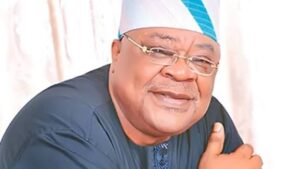
Otunba Christopher Adebayo Alao-Akala was a Nigerian politician, public servant, and former governor of Oyo State. Known for his grassroots political approach and charismatic personality, Alao-Akala played a significant role in the political development of Oyo State and Nigeria’s democratic landscape. Throughout his career, he held several important positions, including chairman of a local government area, deputy governor, governor, and member of various political parties.
His political journey reflected the changing nature of Nigerian politics in the Fourth Republic, and his influence remained visible in Oyo State long after he left office. This biography explores his early life, education, professional career, political achievements, personal life, and legacy.
Early Life and Background
Christopher Adebayo Alao-Akala was born on June 3, 1950, in Ogbomoso, a prominent city in present-day Oyo State, southwestern Nigeria. He hailed from the Ogbomoso area, which has produced many notable leaders, academics, and public servants.
He was born into a family that valued discipline, hard work, and community service. Growing up in Ogbomoso exposed him to the rich Yoruba culture and traditions that later influenced his leadership style and political philosophy.
His early years were shaped by the social and economic realities of post-colonial Nigeria. Like many young Nigerians of his generation, he developed an interest in public service and leadership from an early age.
Education
Alao-Akala began his primary education in Ogbomoso before proceeding to secondary school. He attended several educational institutions, where he acquired the knowledge and skills that prepared him for his future career.
After completing his secondary education, he pursued professional training in law enforcement and public administration. His educational journey included courses and training programs both within Nigeria and abroad.
He attended the Police College in Ikeja, Lagos, and later received additional training at institutions in the United Kingdom and the United States. These programs helped him develop expertise in security management, leadership, and administration.
His commitment to continuous learning contributed significantly to his success in public service and politics.
Career in the Nigeria Police Force
Before entering politics, Alao-Akala built a distinguished career in the Nigeria Police Force. He enlisted in the police service in the early 1970s and rose steadily through the ranks due to his dedication and professionalism.
During his years in the police force, he served in different capacities across various states in Nigeria. His assignments provided him with valuable experience in public administration, conflict management, and community relations.
He attended several professional courses that enhanced his skills in law enforcement and security operations. His exposure to different communities and administrative systems helped him develop a deep understanding of governance and public needs.
After years of service, he retired from the Nigeria Police Force as a Chief Superintendent of Police (CSP). His retirement marked the beginning of a new chapter in public service through politics.
Entry into Politics
Following his retirement from the police force, Alao-Akala joined active politics in the late 1990s during Nigeria’s transition to democratic rule.
He became a member of the People’s Democratic Party (PDP), one of Nigeria’s major political parties at the time. His grassroots appeal and strong connection with local communities quickly earned him recognition within the party.
In 1999, he was elected chairman of Ogbomoso North Local Government Area. During his tenure, he focused on improving local administration and delivering community development projects.
His performance at the local government level strengthened his political reputation and positioned him for higher responsibilities.
Deputy Governor of Oyo State
In 2003, Alao-Akala was elected deputy governor of Oyo State alongside Governor Rashidi Ladoja under the platform of the People’s Democratic Party.
As deputy governor, he participated in policy implementation and governance initiatives aimed at improving infrastructure, education, healthcare, and economic development in the state.
However, the administration experienced political disagreements that eventually led to a major crisis within the state government.
Governor of Oyo State
Alao-Akala became governor of Oyo State on January 12, 2006, following the impeachment of Governor Rashidi Ladoja by members of the Oyo State House of Assembly.
However, the impeachment was later declared unconstitutional by the courts, leading to Ladoja’s reinstatement in December 2006.
Despite this setback, Alao-Akala remained active in politics and contested the 2007 governorship election under the People’s Democratic Party. He won the election and was sworn in as the democratically elected governor of Oyo State on May 29, 2007.
Key Policies and Achievements
During his administration, Alao-Akala focused on several sectors of development.
 Infrastructure Development
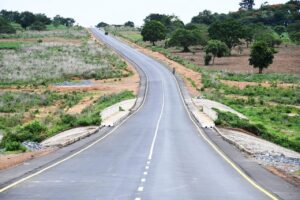
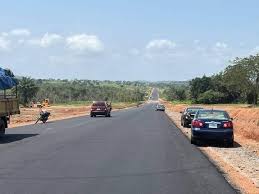
His government invested in road construction and rehabilitation projects across Oyo State. These projects aimed to improve transportation and promote economic activities.
Education
The administration implemented initiatives to improve educational facilities and enhance learning conditions in public schools.
Healthcare
Alao-Akala’s government supported healthcare programs designed to increase access to medical services, particularly in rural communities.
Agriculture
Recognizing the importance of agriculture to the state’s economy, his administration introduced programs to support farmers and improve agricultural productivity.
Security
Drawing from his background in law enforcement, he emphasized security and worked with relevant agencies to maintain peace and order across the state.
Political Challenges and Later Career
In 2011, Alao-Akala sought re-election but was defeated by Abiola Ajimobi of the Action Congress of Nigeria (ACN).
Following his defeat, he remained politically active and continued to influence the political landscape of Oyo State.
Over the years, he changed political affiliations several times. He left the People’s Democratic Party and joined the Labour Party, where he contested the 2015 governorship election.
Later, he returned to the People’s Democratic Party before eventually joining the All Progressives Congress (APC) in 2021.
His movement across political parties reflected the evolving dynamics of Nigerian politics and his continued commitment to public service.
Personal Life
Adebayo Alao-Akala was married and blessed with children. He maintained strong ties with his hometown of Ogbomoso and remained closely connected to community development activities throughout his life.
He was known for his approachable personality, strong grassroots network, and passion for empowering ordinary citizens.
Beyond politics, he had interests in agriculture, business, and philanthropy.
 Death
Death
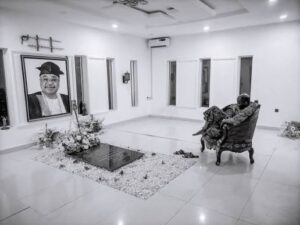
Otunba Adebayo Alao-Akala died on January 12, 2022, at the age of 71.
His death occurred at his residence in Ogbomoso, Oyo State, and attracted widespread reactions from political leaders, traditional rulers, and citizens across Nigeria.
Many paid tribute to his contributions to governance, democracy, and community development.
Legacy
Alao-Akala’s legacy remains significant in Oyo State politics. He is remembered as a leader who built strong connections with grassroots communities and dedicated much of his life to public service.
His career journey—from police officer to local government chairman, deputy governor, and governor—demonstrates his commitment to leadership and governance.
Although his political career experienced challenges and controversies, his impact on Oyo State’s political history is undeniable.
His contributions to infrastructure development, public administration, and democratic governance continue to be recognized by supporters and political observers.
Today, Adebayo Alao-Akala is remembered as one of the influential political figures who shaped the modern history of Oyo State and contributed to the growth of Nigeria’s democratic system.
Be the first to comment