INTRODUCTION
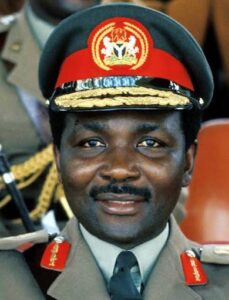
General Yakubu Dan-Yumma Gowon is a prominent Nigerian statesman and former military Head of State who played a crucial role in shaping Nigeria’s political and historical landscape. He is best known for leading Nigeria during one of its most challenging periods—the Nigerian Civil War—and for his efforts to promote national unity and post-war reconciliation. Gowon remains an influential figure in Nigeria’s history, admired for his leadership, humility, and commitment to peace.
Early Life and Background
Yakubu Gowon was born on October 19, 1934, in Pankshin, in present-day Plateau State, Nigeria. He hails from the Ngas (Angas) ethnic group. His father, Nde Yohanna Gowon, was a Christian missionary and church leader, which meant that Yakubu Gowon grew up in a disciplined and religious environment.
His early life was shaped by strong moral values, including honesty, service, and dedication to community development. These principles would later influence his leadership style and decision-making during his time as Nigeria’s Head of State.
Education
Yakubu Gowon began his early education in Plateau State before moving to Zaria in Kaduna State, where he attended Government College, Zaria, one of Nigeria’s most prestigious secondary schools.
After completing his secondary education, Gowon pursued a military career and received training at several reputable institutions, including:
- The Royal Military Academy, Sandhurst (United Kingdom)
- The Staff College, Camberley (United Kingdom)
His military education equipped him with leadership skills, strategic thinking, and discipline, which prepared him for the responsibilities he would later assume in the Nigerian Armed Forces.
Military Career
Yakubu Gowon joined the Nigerian Army in the 1950s during the colonial period. He was among the early generation of Nigerian officers who received formal military training abroad.
As a young officer, Gowon quickly rose through the ranks due to his professionalism, discipline, and leadership qualities. He served in various capacities within the Nigerian Army, gaining valuable experience in command and administration.
By the mid-1960s, he had become a senior officer and played a role in maintaining stability within the military during a time of political uncertainty in Nigeria.
Rise to Power
Nigeria experienced a series of political crises and military coups in 1966. Following the counter-coup of July 1966, Yakubu Gowon emerged as a compromise candidate acceptable to different factions within the military.
At the age of 31, he became Nigeria’s Head of State, making him one of the youngest leaders in the country’s history. His appointment came at a time when Nigeria was facing deep ethnic tensions, political instability, and threats to national unity.
Leadership During the Nigerian Civil War
One of the most defining periods of Gowon’s leadership was the Nigerian Civil War (1967–1970), also known as the Biafran War. The conflict began when the Eastern Region, led by Colonel Odumegwu Ojukwu, declared independence as the Republic of Biafra.
Gowon’s government opposed the secession and sought to preserve Nigeria’s unity. The war lasted for about three years and had significant humanitarian and economic consequences.
Despite the challenges of the war, Gowon maintained a firm stance on national unity. His administration coordinated military operations while also seeking diplomatic solutions to end the conflict.
 “No Victor, No Vanquished” Policy
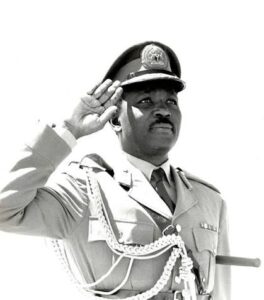
After the end of the civil war in 1970, Gowon introduced a policy of “No Victor, No Vanquished.” This approach aimed to promote reconciliation, healing, and reintegration of the Eastern Region into Nigeria.
His government launched programs focused on:
- Rehabilitation of war-affected areas
- Reconstruction of infrastructure
- Reintegration of displaced persons
This policy was widely praised for helping to reduce post-war tensions and fostering national unity. It remains one of the most notable aspects of Gowon’s legacy.
Economic Policies and Development
During Gowon’s administration, Nigeria experienced significant economic growth, largely driven by the oil boom of the early 1970s. The government invested in infrastructure development, education, and public services.
Key achievements during his tenure include:
- Expansion of Nigeria’s road network and public infrastructure
- Establishment of new states to promote administrative efficiency
- Growth in the education sector, including the creation of universities
- Increased government revenue from oil exports
However, his administration also faced criticism over issues such as corruption, mismanagement of resources, and delays in returning the country to civilian rule.
Creation of States
In 1967, Gowon restructured Nigeria by creating 12 states from the existing regions. This decision was aimed at reducing ethnic tensions, promoting national unity, and improving governance.
The creation of states helped decentralize power and allowed for better representation of Nigeria’s diverse ethnic groups. This structural reform remains a significant milestone in Nigeria’s political development.
Challenges and Overthrow
Despite his achievements, Gowon’s administration faced growing criticism in the mid-1970s. Many Nigerians were concerned about corruption, economic management, and the delay in transitioning to civilian rule.
In July 1975, while Gowon was attending an international conference in Uganda, he was overthrown in a bloodless military coup led by General Murtala Mohammed.
Following the coup, Gowon went into exile in the United Kingdom, where he continued his education and personal development.
Life After Leadership
After years in exile, Yakubu Gowon returned to Nigeria and became actively involved in peacebuilding, education, and community development initiatives.
He pursued further education at the University of Warwick in the United Kingdom, earning a doctorate degree. His academic achievements reflected his commitment to lifelong learning and personal growth.
Philanthropy and Peace Initiatives
One of Gowon’s most notable contributions after leaving office is his involvement in peace and reconciliation efforts. He founded the organization “Nigeria Prays,” which focuses on promoting unity, peace, and spiritual development in the country.
He has also been involved in various national and international initiatives aimed at conflict resolution, youth empowerment, and community development.
His commitment to peacebuilding has earned him recognition as a statesman dedicated to national unity and stability.
Personal Life
Yakubu Gowon is married to Victoria Gowon, and their marriage has been widely regarded as stable and supportive. He is known for his humility, discipline, and strong Christian faith.
Despite his years in power, Gowon has maintained a relatively modest lifestyle and continues to be respected for his integrity and calm demeanor.
Awards and Recognition
Over the years, Yakubu Gowon has received numerous awards and honors in recognition of his contributions to Nigeria and global peace efforts. These include:
- National honors from the Nigerian government
- Recognition from international organizations for peacebuilding
- Awards for leadership and public service
These accolades reflect his enduring influence and contributions to society.
Legacy and Impact
General Yakubu Gowon’s legacy is deeply rooted in his efforts to preserve Nigeria’s unity during a critical period in its history. His leadership during the civil war and his commitment to post-war reconciliation have had a lasting impact on the country.
His legacy includes:
- Leadership during Nigeria’s most challenging period
- Promotion of national unity and reconciliation
- Structural reforms, including state creation
- Contributions to peacebuilding and community development
While his administration faced criticism, his role in maintaining Nigeria’s unity remains a defining aspect of his historical significance.
Conclusion
General Yakubu Gowon is a key figure in Nigeria’s history whose leadership shaped the nation during a time of crisis and transformation. From his early life and military career to his role as Head of State and his contributions to peacebuilding, Gowon’s journey reflects dedication, resilience, and a commitment to national unity.
His “No Victor, No Vanquished” policy and post-war reconciliation efforts continue to serve as important lessons in leadership, conflict resolution, and nation-building. As a respected elder statesman, Yakubu Gowon remains a symbol of peace, humility, and service in Nigeria and beyond.


Be the first to comment