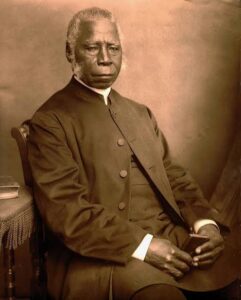
Full Biography of Samuel Ajayi Crowther: The First African Bishop and Linguist
Introduction
Samuel Ajayi Crowther (c. 1809–1891) was a pioneering Nigerian linguist, clergyman, scholar, and the first African Anglican bishop in Nigeria. He is widely recognized for his remarkable contributions to Christian missionary work, African linguistics, education, and the translation of the Bible into Yoruba. Crowther’s life story is a powerful testament to resilience, intellect, faith, and leadership during a period marked by colonialism, slavery, and cultural transformation in West Africa.
His legacy continues to influence religious, educational, and linguistic developments in Nigeria and West Africa, making him one of the most celebrated figures in African history.
Early Life and Family Background
Samuel Ajayi Crowther was born around 1809 in Osogun, near Abeokuta, in present-day Ogun State, Nigeria. He belonged to the Yoruba ethnic group and was originally named Ajayi.
In his early childhood, his village was attacked during internecine warfare, resulting in the death of his father and his capture by slave traders. Crowther and his family were taken and sold into slavery, a traumatic experience that would profoundly shape his worldview and later activism.
Enslavement and Rescue
After being captured, Crowther was transported via the transatlantic slave trade route. However, during the voyage, he and other captives were rescued by the British Royal Navy as part of anti-slavery patrols. He was taken to Freetown, Sierra Leone, a colony for freed slaves, which became a center for Christian missionary work and education.
This rescue marked a turning point in his life, providing him with access to formal education, Christianity, and opportunities that would define his later career.
Education and Religious Conversion
In Sierra Leone, Crowther enrolled in schools established by Christian missionaries, particularly the Church Missionary Society (CMS). He quickly distinguished himself as an intelligent and dedicated student.
Studied reading, writing, arithmetic, theology, and Western subjects, displaying remarkable linguistic ability.
Converted to Christianity, adopting the name Samuel Crowther, while maintaining a deep respect for his Yoruba heritage.
Trained for the Christian ministry at Church Missionary Society College, Islington, in London, receiving formal theological and pastoral education.
His education equipped him with the intellectual foundation to become a groundbreaking missionary, linguist, and church leader.
Early Career in Missionary Work
After completing his training in London, Crowther returned to West Africa to work with the Church Missionary Society. He began as a teacher, interpreter, and evangelist, dedicating his life to spreading Christianity and education among West African communities.
Crowther’s early missionary work focused on:
Teaching Literacy: Educating local populations in reading and writing.
Translating Religious Texts: Working to make the Bible and Christian materials accessible in Yoruba and other local languages.
Preaching and Evangelism: Conducting services, training local ministers, and strengthening church communities.
His work was deeply influenced by his own experience as a former enslaved person, fostering empathy and dedication to human development and spiritual upliftment.
Linguistic Contributions
One of Samuel Ajayi Crowther’s most enduring legacies is his contribution to African linguistics:
Bible Translation: He translated the Holy Bible into Yoruba, producing a text that remains foundational for Yoruba-speaking Christians.
Grammar and Dictionaries: Compiled Yoruba grammar books, dictionaries, and primers, helping standardize the written form of the language.
Documentation of Languages: Recorded and studied other African languages, contributing to linguistic scholarship.
Crowther’s work preserved African languages, enhanced literacy, and provided tools for cultural and spiritual education.
Appointment as Bishop
In 1864, Crowther achieved a historic milestone by being consecrated as the first African Anglican bishop in Nigeria, serving the Niger Mission. This appointment was groundbreaking in the context of a colonial society where leadership roles were typically reserved for Europeans.
As Bishop, Crowther focused on:
Expanding Christian missions along the Niger River.
Training African clergy and fostering local leadership in the church.
Advocating for education, morality, and community development.
Promoting indigenous participation in religious and civic life.
His leadership demonstrated the potential for Africans to occupy high ecclesiastical positions while promoting the development of local communities.
Challenges and Struggles
Despite his accomplishments, Crowther faced significant challenges during his career:
Colonial Racism: Encountered resistance from European missionaries who doubted African leadership capabilities.
Cultural Barriers: Navigated tensions between Western Christianity and local Yoruba traditions.
Health Challenges: Worked in regions with diseases such as malaria, which affected his health and missionary activities.
Opposition to African Leadership: At times, European church authorities sought to limit his influence, creating obstacles in his mission work.
Nevertheless, Crowther’s resilience, intellect, and faith allowed him to overcome these challenges and leave a lasting legacy.
Personal Life
Samuel Ajayi Crowther married Elizabeth Smith, who supported his missionary work. The couple had several children, many of whom continued to contribute to education, religious work, and community leadership.
Crowther’s family life was closely intertwined with his mission, reflecting the integration of faith, service, and cultural pride. His commitment to education and spirituality was a guiding principle for his household.
Achievements and Recognition
Samuel Ajayi Crowther’s contributions are vast and enduring:
First African Anglican Bishop: Pioneered African leadership in Christian missions.
Bible Translation: Produced Yoruba-language Bibles, making Christianity accessible to local populations.
Linguistic Scholarship: Developed Yoruba grammar, dictionaries, and linguistic resources.
Education Advocacy: Promoted literacy, schooling, and moral education among Africans.
Cultural Preservation: Preserved African languages and documented cultural practices for posterity.
Inspirational Leadership: Served as a role model for Africans aspiring to leadership in religion, education, and public service.
His achievements are commemorated in educational institutions, religious communities, and scholarly works across Nigeria and West Africa.
Legacy and Influence
Crowther’s impact extends beyond religious and linguistic spheres:
Religious Legacy: Strengthened the Anglican Church in Nigeria and trained indigenous clergy.
Educational Influence: Inspired generations of African scholars, linguists, and educators.
Cultural Impact: Preserved Yoruba language and traditions through translation and documentation.
Global Recognition: Celebrated internationally as a pioneering African leader, missionary, and linguist.
His work laid the foundation for African leadership in the church and promoted the integration of Western education with indigenous knowledge systems.
Later Life and Death
In his later years, Crowther continued to expand missionary work, train clergy, and contribute to scholarship despite declining health. He remained dedicated to education, translation, and spiritual guidance until his death.
Samuel Ajayi Crowther passed away on December 31, 1891, in Freetown, Sierra Leone, leaving behind a remarkable legacy of faith, scholarship, and leadership that continues to inspire generations.
Recognition and Honors
Church Memorials: Celebrated as a pioneering bishop and missionary in Anglican history.
Educational Institutions: Several schools and institutions in Nigeria honor his name and legacy.
Linguistic Heritage: Recognized for codifying Yoruba language and promoting literacy.
Historical Acknowledgment: Remembered as a symbol of resilience, intellect, and African leadership during colonial times.
Crowther’s life and work are studied in schools, churches, and universities as an example of dedication, faith, and intellectual achievement.
Personal Philosophy and Insights
Samuel Ajayi Crowther believed in:
Education as Empowerment: Literacy and knowledge as tools for personal and societal development.
Faith and Service: Commitment to God and community as the foundation for leadership.
Cultural Respect: Valuing African languages and traditions while embracing positive aspects of Western education.
Resilience: Overcoming personal and societal adversity through perseverance, faith, and intellect.
His philosophy continues to inspire scholars, clergy, and leaders in Africa and beyond.
Conclusion
Samuel Ajayi Crowther’s life is a remarkable story of resilience, intellect, faith, and leadership. From being captured as a child during war and rescued from slavery, to becoming the first African Anglican bishop and a pioneering linguist, Crowther’s achievements are extraordinary.
His contributions to the Anglican Church, education, and African linguistics have left an indelible mark on Nigeria and West Africa. Crowther’s legacy continues to inspire generations, demonstrating that determination, education, and faith can overcome adversity and transform societies.
Samuel Ajayi Crowther remains a symbol of African excellence, leadership, and cultural pride—an enduring figure in the history of Nigeria, Africa, and global Christianity.

Be the first to comment