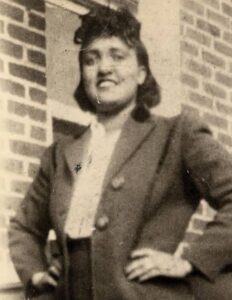
Ada Lovelace (1815–1852) was an English mathematician and writer, widely recognized as the world’s first computer programmer for her pioneering work on Charles Babbage’s Analytical Engine. The daughter of poet Lord Byron, she utilized her extensive training in mathematics to create the first algorithm intended for machine processing.
Key Facts and Achievements:
Early Life & Education: Born Augusta Ada Byron on December 10, 1815, to Lord Byron and Lady Anne Isabella Milbanke. Her mother enforced rigorous tutoring in mathematics and science to prevent her from developing her father’s poetic temperament.
Collaboration with Babbage: At age 17, she met Charles Babbage, who became her mentor. She was fascinated by his “Difference Engine” and later his more advanced “Analytical Engine”.
First Programmer: In 1843, she translated an article by Luigi Menabrea on the Analytical Engine, adding extensive notes that included a detailed method for calculating Bernoulli numbers, considered the first computer program.
Visionary Ideas: Lovelace predicted that computers could go beyond mere calculation, speculating they could compose music or create art if given the right data and instructions.
Personal Life & Death: She married William King in 1835, becoming the Countess of Lovelace. She passed away from cancer at age 36 on November 27, 1852.
Her contributions were largely unrecognized until the mid-20th century, and she is now celebrated annually on Ada Lovelace Day to honor women in STEM.
Be the first to comment