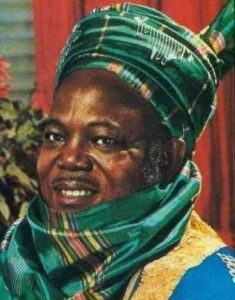
Full Biography of Sir Ahmadu Bello: Nigerian Statesman, Leader, and Visionary
Introduction
Sir Ahmadu Bello (1910–1966) was a distinguished Nigerian statesman, political leader, and one of the most influential figures in Nigeria’s post-colonial history. As the Sardauna of Sokoto and the first Premier of the Northern Region of Nigeria, Bello played a pivotal role in shaping Nigeria’s political landscape, advocating for education, economic development, and regional unity.
Known for his visionary leadership and commitment to Northern Nigeria, Ahmadu Bello remains a symbol of integrity, political acumen, and cultural pride. His efforts to modernize the North while preserving its cultural heritage earned him respect both nationally and internationally.
Early Life and Family Background
Ahmadu Bello was born on June 12, 1910, in Zaria, Northern Nigeria, into a prominent Fulani family with deep Islamic and political roots. His father, Bello dan Usman, was a respected local leader, and his mother, Sheikh’s family member, ensured he received early religious and moral education.
Growing up in a culturally rich environment, Ahmadu Bello was exposed to Islamic scholarship, Fulani traditions, and the importance of leadership in community life. His upbringing instilled in him a sense of responsibility, discipline, and commitment to public service, which later defined his political career.
Education
Ahmadu Bello’s education combined Islamic scholarship and Western-style schooling, a unique blend that shaped his worldview. He attended local Quranic schools, learning Arabic and Islamic studies, which grounded him in religious knowledge and ethics.
Later, he attended Barewa College, Zaria, one of Northern Nigeria’s leading schools at the time, where he received formal Western education. His studies included literature, mathematics, governance, and administrative skills. This dual education system equipped him with the intellectual tools to bridge traditional leadership and modern political administration effectively.
Early Career
Ahmadu Bello began his professional career in the Northern Nigeria civil service, gaining experience in administration, governance, and policy implementation. His early postings included working in the Native Administration system, where he observed the challenges of colonial governance and the needs of Northern communities.
His career in public service provided him with firsthand insights into socio-economic disparities, educational deficits, and political underrepresentation in the North. These experiences motivated him to pursue leadership roles that would allow him to advocate for regional development and national unity.
 Political Career and Rise to Prominence
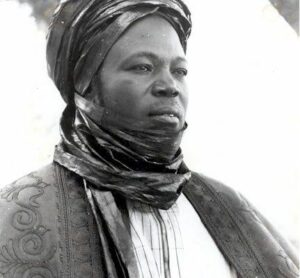
Ahmadu Bello’s rise to political prominence was marked by his dedication, vision, and strategic acumen. He co-founded the Northern People’s Congress (NPC) in the early 1950s, a political party dedicated to representing the interests of Northern Nigerians and promoting regional development within a federal Nigerian framework.
Premier of Northern Nigeria
In 1954, Ahmadu Bello became the first Premier of the Northern Region, a position he held until his assassination in 1966. As Premier, he implemented policies aimed at:
Educational Development: Established schools, teacher training colleges, and institutions to reduce educational disparities between Northern and Southern Nigeria.
Economic Modernization: Promoted agriculture, infrastructure projects, and industrial initiatives to boost Northern Nigeria’s economy.
Political Stability: Strengthened regional governance structures and maintained Northern unity amidst Nigeria’s ethnic and cultural diversity.
His leadership style combined pragmatism, cultural sensitivity, and a long-term vision for socio-economic transformation.
National Influence
Ahmadu Bello was also an influential figure in Nigeria’s federal politics. He advocated for the federal system of government to ensure that each region had autonomy while contributing to national cohesion. He worked alongside other regional leaders to navigate Nigeria’s independence from Britain in 1960, ensuring the North had a strong voice in national governance.
Leadership Philosophy
Ahmadu Bello’s leadership philosophy was grounded in the following principles:
Education as Empowerment: He believed that education was key to Northern Nigeria’s development and invested heavily in educational infrastructure.
Cultural Preservation: While promoting modernization, he emphasized preserving Northern traditions, Islamic values, and Fulani cultural heritage.
Pragmatic Governance: Advocated practical policies that addressed regional needs without compromising national unity.
Integrity and Accountability: Known for personal discipline and ethical leadership, he set high standards for civil service and political conduct.
These principles made him a respected and effective leader across Nigeria.
Achievements and Contributions
Education
Ahmadu Bello’s commitment to education transformed Northern Nigeria:
Established the Ahmadu Bello University (ABU), Zaria, one of Nigeria’s foremost institutions of higher learning.
Built numerous secondary and primary schools, addressing educational disparities.
Promoted girls’ education and vocational training, empowering marginalized communities.
Political and Economic Development
Advocated for Northern Nigeria’s autonomy within the federal system.
Initiated agricultural reforms and industrial projects to stimulate regional growth.
Strengthened local governance structures, enhancing administrative efficiency.
Preserved Northern traditions and Islamic values while embracing modernization.
Promoted unity among diverse ethnic groups in the North.
Mentored young leaders and encouraged civic responsibility among citizens.
Challenges and Struggles
Ahmadu Bello faced numerous challenges during his leadership:
Ethnic Tensions: Balancing the interests of various Northern ethnic groups.
Colonial Legacy: Overcoming educational and infrastructural deficits inherited from colonial rule.
Political Rivalries: Navigating political competition with Southern and Western leaders in Nigeria.
Despite these challenges, he maintained stability, implemented reforms, and earned widespread respect.
Assassination and Death
Tragically, Ahmadu Bello’s life and leadership were cut short during Nigeria’s first military coup on January 15, 1966. He was assassinated alongside other key Northern leaders, a shocking event that altered Nigeria’s political trajectory.
His death was widely mourned across Nigeria and internationally. It marked the loss of one of the country’s most visionary leaders, but his legacy continued to influence Nigerian politics, education, and regional development.
Legacy and Influence
Ahmadu Bello’s legacy is enduring and multifaceted:
Ahmadu Bello University: Continues to produce leaders and professionals across Nigeria and Africa.
Northern Development: His policies laid the foundation for economic growth, education, and governance in the North.
Political Philosophy: Advocated federalism, regional autonomy, and national unity, influencing Nigeria’s political system.
Role Model: Revered as a symbol of integrity, visionary leadership, and cultural pride.
His contributions continue to inspire politicians, educators, and activists across Nigeria and beyond.
Family Life
Ahmadu Bello was married and had children, who continued to uphold his legacy of service and leadership. His family was deeply involved in Northern Nigeria’s social, educational, and political affairs, reflecting his influence as a father and mentor.
Recognition and Honors
Sardauna of Sokoto: A prestigious traditional title recognizing his leadership in Northern Nigeria.
National Hero: Widely regarded as a founding father of modern Northern Nigeria.
International Recognition: Celebrated by foreign dignitaries and scholars for his vision and leadership.
Commemorative Institutions: Schools, roads, and institutions bear his name, immortalizing his contributions to education and governance.
Personal Philosophy and Insights
Ahmadu Bello believed in disciplined leadership, education, and the importance of moral integrity. He emphasized that governance should serve the people, preserve culture, and prepare future generations for leadership.
He also believed that Nigeria’s diverse ethnic groups could coexist peacefully under a federal system that respected regional autonomy and national unity.
Conclusion
In conclusion, Sir Ahmadu Bello was a visionary leader, educator, and political statesman whose influence shaped Northern Nigeria and the broader Nigerian state. From promoting education and economic development to advocating for regional autonomy and national unity, his contributions remain foundational to Nigeria’s political and social development.
His life exemplifies integrity, dedication, and visionary leadership. Though his life was tragically cut short, Ahmadu Bello’s legacy continues to inspire leaders, educators, and citizens in Nigeria and beyond. He remains a towering figure in Nigerian history, celebrated for his commitment to progress, education, and the empowerment of the people.

Be the first to comment