Introduction
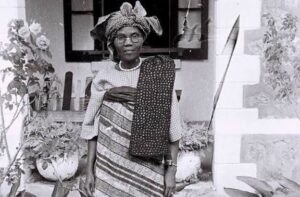
Funmilayo Ransome-Kuti (1900–1978) was a trailblazing Nigerian educator, women’s rights activist, and political leader. She is widely regarded as one of the most influential figures in the struggle for women’s empowerment and political representation in Nigeria. Her tireless advocacy for women’s rights, social justice, and education has left an indelible mark on Nigerian society and African feminism.
As a pioneering force in women’s political movements, Funmilayo Ransome-Kuti championed the cause of Nigerian women during a time when societal norms severely restricted their participation in public life. Her activism extended across educational reform, anti-colonial campaigns, and economic empowerment initiatives, making her a revered national figure and role model.
Early Life and Family Background
 Funmilayo Ransome-Kuti was born Funmilayo Thomas on October 25, 1900, in Abeokuta, Ogun State, Nigeria. She was born into a prominent and progressive family; her father, Rev. Josiah Thomas, was a well-educated clergyman, and her mother, Anne Lape Iyabode Thomas, ensured that she received a strong moral and intellectual upbringing.
Her upbringing in Abeokuta, a hub for social and political activity, exposed her early to issues of justice, leadership, and education. Her family emphasized literacy, civic responsibility, and cultural pride, all of which influenced her later activism. From childhood, Funmilayo demonstrated exceptional intelligence, leadership qualities, and a strong sense of social responsibility.
Education
Funmilayo Ransome-Kuti’s educational journey was remarkable, especially considering the limited opportunities available to girls in early 20th-century Nigeria. She attended Anglican Girls’ School in Abeokuta, where she excelled academically and cultivated a love for learning and teaching.
Later, she traveled to England, where she trained as a teacher. This international exposure broadened her perspective on social issues, women’s rights, and political activism. Upon returning to Nigeria, Funmilayo used her education to teach, mentor, and empower young girls, believing that education was central to women’s liberation and national development.
Career Beginnings
Upon completing her teacher training, Funmilayo began her career as an educator in Abeokuta. She was deeply committed to improving educational opportunities for girls, advocating for better schools, curriculum reforms, and literacy programs.
Her work in education soon intersected with social activism. She observed the inequalities faced by women, especially in matters of taxation, political representation, and economic opportunity. These observations ignited her lifelong commitment to women’s empowerment and social justice.
Political and Activist Career
Funmilayo Ransome-Kuti is best remembered for her extraordinary activism in Nigerian society, particularly in advocating for women’s rights and social reform.
Women’s Rights Advocacy
In the 1940s, she became a leading figure in women’s movements, founding and organizing groups that empowered women economically, socially, and politically. She founded the Women’s Improvement League, which aimed to educate women about their rights, particularly in relation to taxation and governance.
Her advocacy extended to challenging unfair taxes imposed on women by colonial authorities and local rulers. She famously led campaigns against oppressive taxation policies, demonstrating exceptional courage and strategic leadership. Her activism earned her national and international recognition as a formidable leader for women’s rights.
Anti-Colonial Activism
Funmilayo was also a prominent figure in Nigeria’s anti-colonial struggle. She aligned with nationalist movements, encouraging political engagement among Nigerian women and advocating for independence from British colonial rule. She believed that true liberation required the political, social, and economic empowerment of women.
Leadership in Women’s Organizations
Funmilayo Ransome-Kuti founded and led the Egba Women’s Union, mobilizing thousands of women in Abeokuta and beyond. Under her leadership, the union became a powerful political force that successfully challenged oppressive local and colonial policies. Her leadership emphasized collective action, education, and advocacy, inspiring generations of women to engage in civic matters.
 Family Life
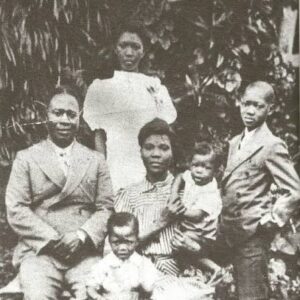
Funmilayo Ransome-Kuti married Israel Oludotun Ransome-Kuti, a teacher and clergyman, and together they had a family deeply committed to education, activism, and social justice. They had several children, including:
-
Fela Kuti: Legendary musician and political activist, founder of Afrobeat.
-
Beko Ransome-Kuti: Physician and human rights activist.
-
Olikoye Ransome-Kuti: Renowned pediatrician and health advocate.
Her children followed her example of activism, leadership, and commitment to societal development, reflecting her profound influence both as a mother and mentor.
Achievements and Contributions
Funmilayo Ransome-Kuti’s contributions to Nigerian society are immense and multifaceted:
Pioneer of Women’s Political Activism: She fought for women’s voting rights and representation in local governance.
Economic Empowerment Initiatives: Organized cooperative societies and women’s unions to improve women’s financial independence.
Educational Advocacy: Championed girls’ education, teacher training, and literacy programs.
Anti-Taxation Campaigns: Successfully challenged unjust taxes imposed on women, demonstrating her leadership and courage.
Social Reforms: Advocated for improved healthcare, legal rights, and social welfare for women and children.
Her work earned her recognition as one of the most influential Nigerian women of the 20th century.
Challenges and Struggles
Funmilayo faced significant challenges in her activism. She often confronted colonial authorities, local chiefs, and societal norms that resisted women’s empowerment. Despite threats, intimidation, and occasional violence, she remained steadfast in her advocacy.
Her resilience and determination inspired many, including her children, to pursue activism, social reform, and public service, cementing her legacy as a fearless leader.
Later Life and Legacy
In her later years, Funmilayo Ransome-Kuti continued to mentor young women, advise social organizations, and contribute to civic matters. Her influence extended beyond Nigeria, as she was recognized internationally for her leadership in women’s rights and social activism.
She passed away on April 13, 1978, leaving behind a powerful legacy of courage, advocacy, and social transformation. Today, she is remembered as a pioneer of Nigerian feminism, a mother of activists, and a cultural icon whose life inspired generations.
Influence on Nigerian Society
Funmilayo Ransome-Kuti’s impact on Nigerian society is enduring:
Political Influence: Paved the way for women’s participation in politics and civic engagement.
Cultural Advocacy: Promoted Yoruba and Nigerian traditions while advocating for social reforms.
Role Model: Inspired generations of women to pursue education, leadership, and activism.
Legacy in Arts and Health: Through her children, contributed indirectly to music, health, and human rights activism in Nigeria.
Her vision of empowered, educated, and politically active women continues to resonate in contemporary Nigeria.
Recognition and Honors
Funmilayo Ransome-Kuti has been honored posthumously for her remarkable contributions:
Featured in books and documentaries on Nigerian history and women’s rights.
Celebrated in academic and social forums for her role in political activism.
Recognized as a national heroine who challenged oppression and advanced social justice.
Her life remains a benchmark for courage, leadership, and advocacy in Nigeria and Africa.
Personal Insights and Philosophy
Funmilayo believed that women’s empowerment was central to national development. She emphasized education, civic engagement, and collective action as tools for social change. She once highlighted that women’s voices must be heard, and their contributions valued, in all spheres of society.
Her philosophy combined courage, intellect, and cultural awareness, making her a formidable activist and a revered figure in Nigerian history.

Be the first to comment